
How to Choose a Wedding Cake Flavour That Everyone Will Enjoy
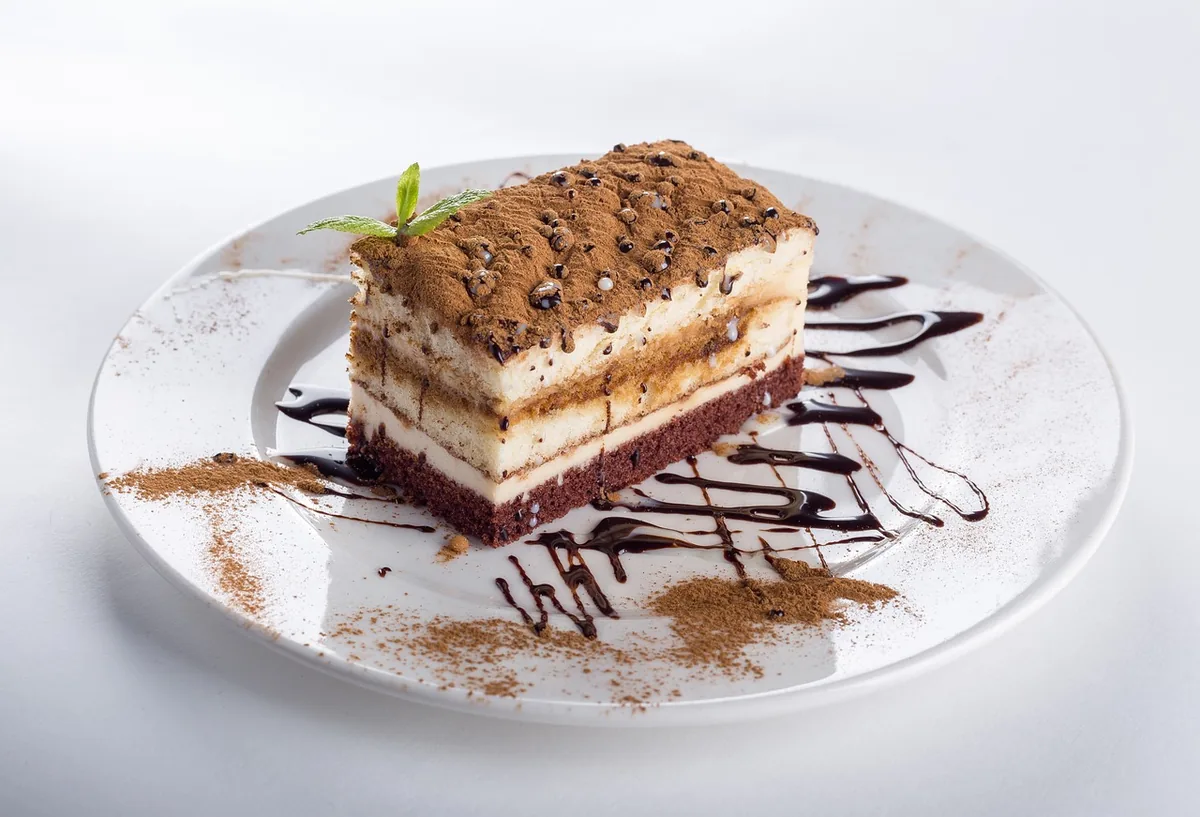
Choosing the flavour of a wedding cake can feel like the easiest decision on the planning list, until you realise it has to please a crowd of people with very different tastes, dietary needs and memories of past celebrations. The good news is that a little structure makes the choice far simpler. If you approach it as a series of smaller decisions, starting with the base sponge, then the filling, then the frosting, you can build a cake that tastes wonderful from the first bite to the last. For a broader look at how custom cakes are planned from start to finish, the same principles apply to every celebration cake.
Start with the Cake Base
The sponge is the foundation of the whole dessert, and it sets the character of everything that follows. A classic butter cake is one of the most reliable choices for a wedding because its crumb is tender, rich and sturdy enough to stack in tiers without collapsing. Butter cake has a fine, close texture and a flavour that pairs well with almost any filling, which is why bakers return to it so often.
Other popular bases include vanilla sponge, chocolate, lemon, almond and carrot. Lighter sponges suit warm-weather receptions and guests who prefer delicate desserts, while denser cakes hold up better in heat and under heavy decoration. Ask yourself how the cake will be served: a tall, multi-tier display needs a firmer structure than a single-layer cake cut in the kitchen.
Match the Filling to the Season and the Menu
Fillings add moisture and personality, and they are where you can be most creative. Seasonality matters here. Bright citrus curds and fresh berries feel natural in spring and summer, while spiced apple, pear, caramel or chestnut work well for autumn and winter weddings. Fresh fruit should be used with care, since very juicy fillings can soften a cake over time, so a good baker will often balance them with a stabilised cream or a thin layer of ganache.
It also helps to look at the rest of the menu. A rich, heavy dinner may call for a lighter, tangy dessert, while a casual buffet might suit a cake with a bold chocolate or coffee note. Avoid repeating flavours already strongly featured in the courses, unless that repetition is part of your theme.
Choose a Frosting That Supports the Flavour
The frosting shapes both the look and the mouthfeel of the cake. Italian meringue buttercream is a favourite for wedding cakes because it is silky, stable at room temperature and not overly sweet. It is made by whipping hot sugar syrup into beaten egg whites, then adding softened butter, so the result holds sharp edges for piping and smooths well for a clean finish. It also takes flavourings beautifully: a little vanilla bean, citrus zest, or a reduced fruit purée can lift the whole cake without making it heavy.
Other options include cream cheese frosting, which is tangy and delicious but softer, and ganache, which is rich and glossy but can be firm when chilled. Consider how the frosting will handle the temperature of your venue, how long the cake will sit out before serving, and how much decoration you plan to add.
Plan a Cake Tasting
Nothing replaces tasting. Most bakers offer a tasting session where you can sample several bases, fillings and frostings before you commit. Use it well by preparing a short list in advance, so you can compare combinations rather than tasting at random.
- Bring a clear list of must-have flavours and any you want to avoid.
- Taste each sponge on its own, then with each filling, so you know which element you are judging.
- Note texture as well as taste: is the cake moist, dense, crumbly or greasy?
- Ask how the cake will hold up over several hours if it is kept at room temperature.
- Ask whether the tasting pieces are representative of the final cake, since sizes and storage can differ.
Take notes or photos during the session. Two weeks later, memories of subtle flavours fade quickly, and written impressions make the final decision much easier.
Think About Your Guests
A wedding cake should please the people who will eat it, not only the couple. Ask about allergies and dietary needs early, including gluten, nuts, dairy and eggs. Many bakers can offer alternatives, but these need planning, and it is kind to label clearly which slices contain which ingredients. If some guests avoid alcohol, check whether liqueur-soaked layers are part of the design.
Consider the generations at the reception too. Older guests may prefer a classic vanilla or lemon, while younger ones might enjoy bolder combinations such as chocolate with salted caramel. A practical compromise is to choose one main flavour for the tiers and a second for a smaller cake or cupcakes, so that every table has an option they will love.
Make the Final Decision with Confidence
Once you have tasted, considered the season and checked the needs of your guests, narrow your choice to two or three favourites and read them against your wedding style. A rustic celebration suits a simple buttercream and fresh fruit, while a formal evening may call for a richer filling and refined decoration. Trust the flavours you remember with pleasure, and do not be swayed only by what looks most impressive in photographs. A cake is ultimately meant to be eaten, shared and talked about long after the photographs are taken.